Nature-Based Design: Harnessing the Power of Low Tech Erosion Control to Prevent and Repair Gully Erosion
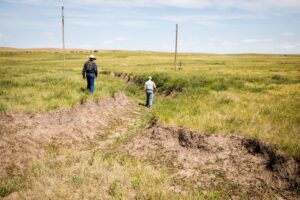
Gully erosion is a widespread and detrimental natural phenomenon that occurs when water flow concentrates in a channel and erodes the soil, creating deep channels or gullies. It poses a significant threat to agricultural lands, infrastructure, and ecosystems. However, nature offers us an innovative solution inspired by beavers: Low-tech Erosion Control Structures (LTEC). These man-made structures mimic the functions of beaver dams and can effectively prevent and repair gully erosion. This article explores the benefits and techniques of using low-tech erosion controls as a nature-based solution to combat gully erosion.
Gully erosion is primarily caused by excessive water runoff, which concentrates and accelerates in narrow channels. It often results from human activities like deforestation or changes to the landscape, such as building roads or other structures, which results in increased runoff, especially in extreme rainfall events. Gullies deepen over time, causing extensive soil loss, landscape degradation, and increased sedimentation in rivers and streams.
Beavers are known for their remarkable ability to create dams and alter landscapes, slowing down water flow and storing sediments. Low-tech erosion control structures replicate these processes by leveraging natural materials like logs, branches, rocks, and vegetation.
LTEC structures serve multiple purposes:
- Slowing Water Flow: By obstructing the path of runoff, LTEC reduces water’s speed and erosive force. This allows sediment to settle and promotes the deposition of soil, rebuilding eroded areas.
- Water Storage and Groundwater Recharge: LTEC increases water retention within their vicinity, replenishing aquifers and maintaining water availability during dry periods. This promotes the growth of vegetation, stabilizing the soil and preventing further erosion.
- Promoting Vegetation: LTEC creates wetland-like conditions by raising the water table and creating suitable habitats for vegetation. The roots of plants further reinforce the soil, adding stability to eroded areas.
Construction Techniques for LTECs:
Building LTECs requires careful planning and site assessment. Here are some key steps involved:
- Site Selection: Identify gully-prone areas where BDAs can have the most significant impact. Consider factors such as topography, soil characteristics, and proximity to water sources.
- Material Collection: Gather logs, branches, rocks, and other organic debris from the surrounding area. Opt for locally available materials, considering their suitability for creating robust structures.
- Construction: Strategically place the collected materials across the gully, mimicking the structure of a natural beaver dam. Create a series of interconnected barriers to slow water flow and trap sediment.
- Vegetation Planting: Introduce native plant species within and around the BDA structures to enhance their effectiveness. Select plants with deep root systems that can withstand periodic inundation.
Benefits of Using LTECs:
The utilization of LTECs offers numerous advantages:
- Cost-Effective: Compared to conventional erosion control methods, LTECs are often more affordable to construct and maintain, as they utilize locally available materials and rely on natural processes.
- Ecological Restoration: LTECs support the revival of ecosystems by creating wetland habitats, promoting biodiversity, and enhancing water quality. They provide refuge for various species, including amphibians, birds, and aquatic organisms.
- Climate Change Resilience: LTECs help mitigate the impacts of climate change by reducing soil erosion, preserving water resources, and enhancing the adaptability of landscapes.
- Community Engagement: LTEC projects can involve local communities, fostering a sense of ownership and empowering them to actively participate in environmental conservation efforts.
LTECs present a promising nature-based solution to combat gully erosion. By replicating the beneficial effects of beaver dams, these structures effectively slow down water flow, promote sediment deposition, and encourage the restoration of ecosystems. The use of LTECs not only prevents further soil loss but also contributes to climate resilience and community engagement. As we strive to address the challenges of erosion, embracing innovative approaches like LTECs can lead us toward sustainable and nature-inspired solutions.
If you are fighting gulley formation or soil erosion issues on your property, reach out to the Alliance info@beaverwatershedalliance.org or call us at (479) 750-8007. Our staff provides free site assessment visits to landowners in the Beaver Lake Watershed.